Forecasts & Case Studies
Case Study 1: Philippine Archipelago

During the assessment window of May 25 to June 8, the SAHAS Alert system detected critical anomalies in the Philippine Archipelago seismic zone.
- KP Index: 6.8 (Storm Level) indicates high solar magnetic interference.
- Lunar Phase: Last quarter, causing 62% increasing tidal loading on tectonic plates.
- Outcome: A significant seismic event occurred perfectly within the forecasted timeframe and region.
Case Study 2: Mindanao Earthquake
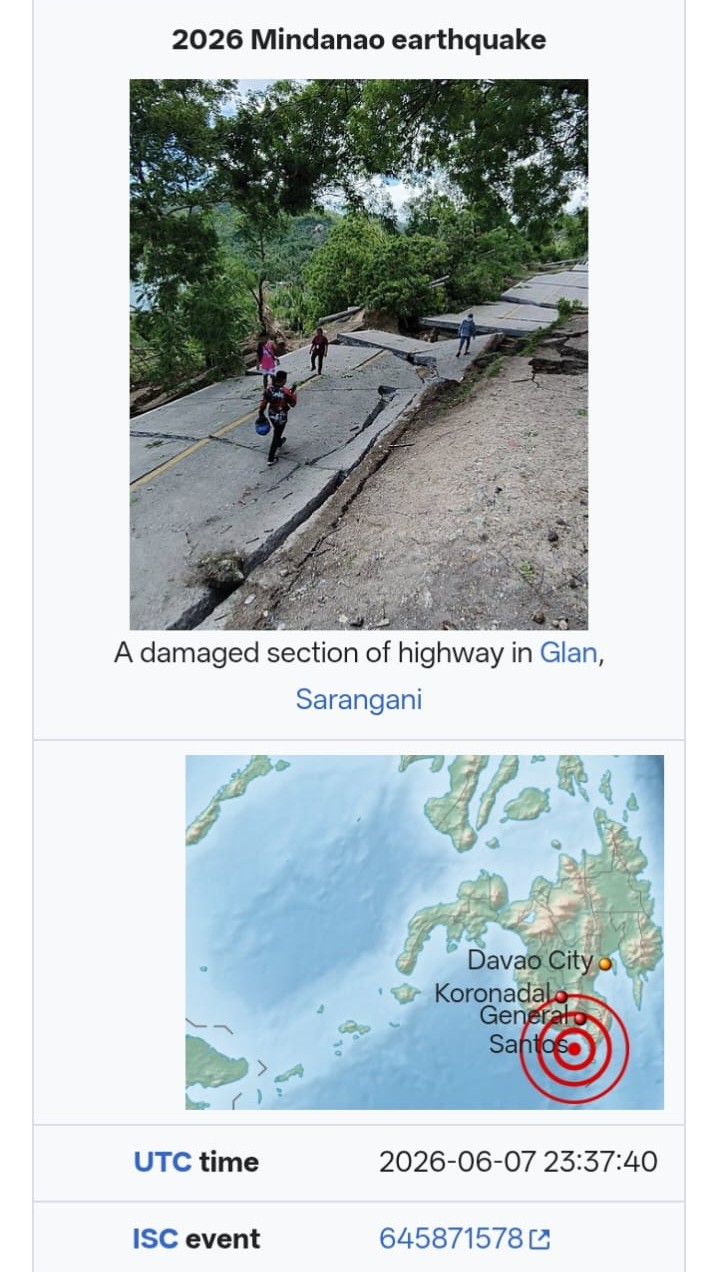
The magnitude 6.9 earthquake in Glan, Sarangani was successfully forecasted by SeismoTeck.
By analyzing underground thermal fluctuations alongside radon gas emissions from local IoT sensors, our team was able to issue an advance warning before the devastating tremor struck.
Case Study 3: Japan & Venezuela Interconnectivity
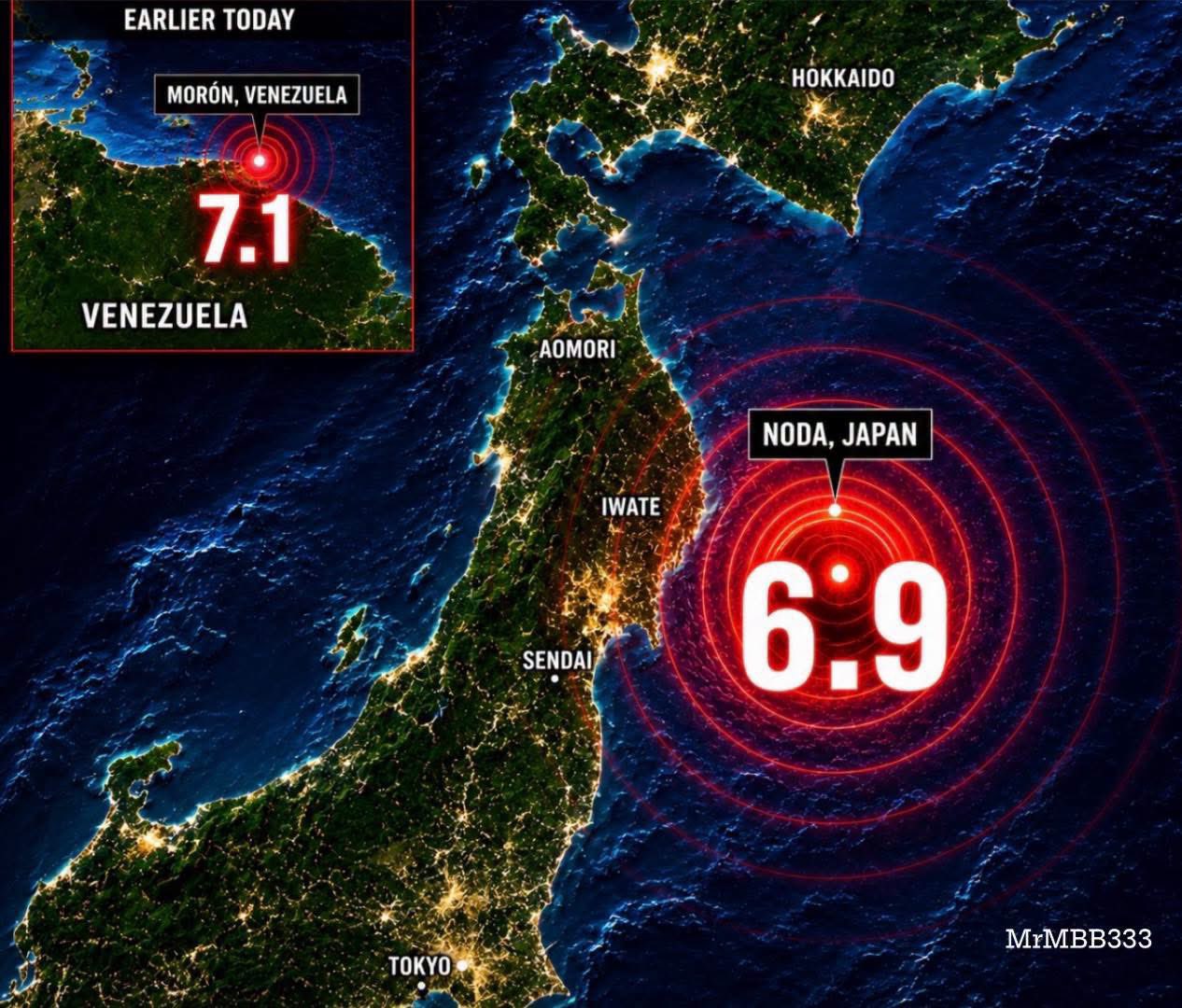
On a single day, the system correlated a magnitude 6.9 earthquake in the Noda, Japan region with a preceding magnitude 7.1 earthquake in Moron, Venezuela.
This case study highlighted our system's capability to track tectonic stress transfer across global fault lines, proving that seismic events are often globally interconnected.
Disclaimer: The forecasts and case studies presented on this website reflect the independent research and technological capabilities of SASVC SeismoTech. They are intended for research, educational, and preparedness purposes. Official government alerts should always take precedence during emergencies.